
Keeping Safe: Child Protection Curriculum
Keeping Safe: Child Protection Curriculum (KS:CPC)
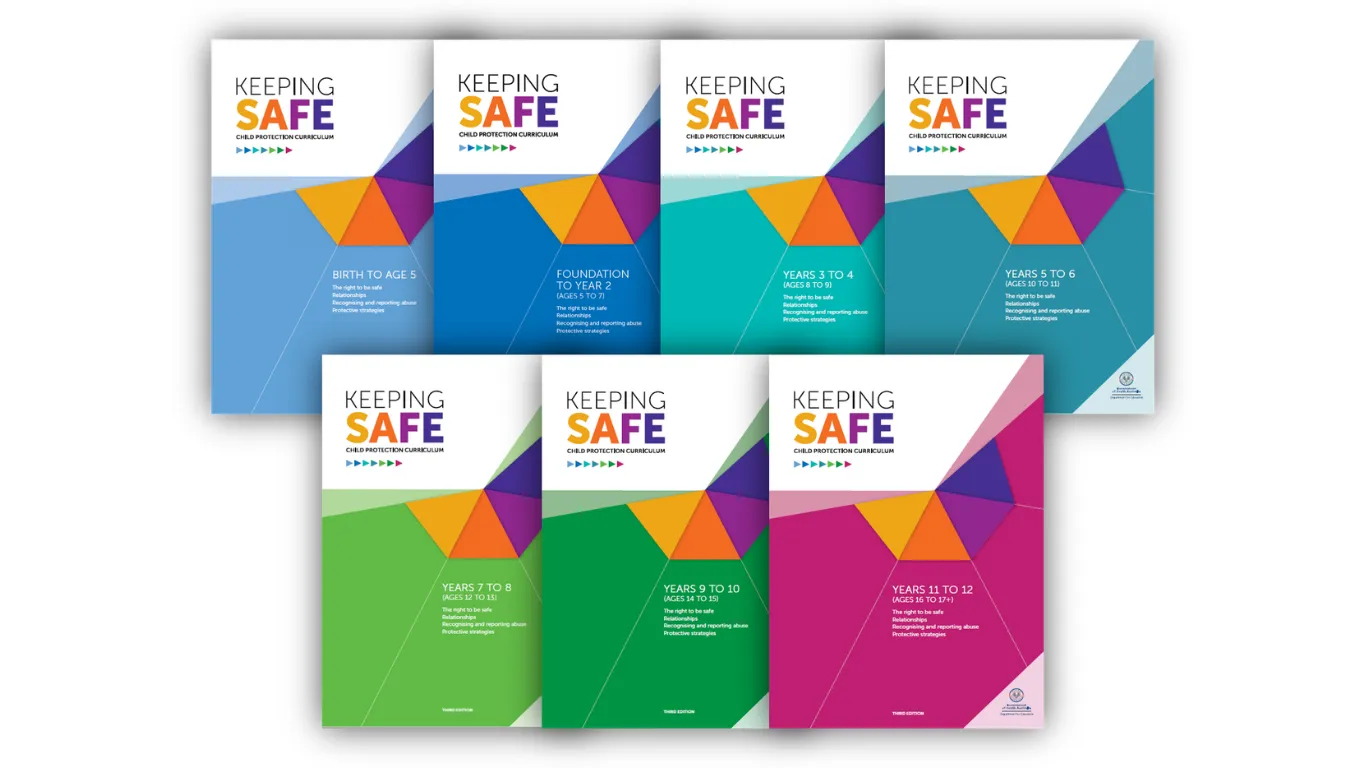
The Keeping Safe: Child Protection Curriculum (KS:CPC) is an evidence-based, child safety and respectful relationships curriculum that provides age and developmentally appropriate activities for children and young people from birth to Year 12 (ages 17+). Developed by the South Australian Department for Education, the curriculum has gained a world-class reputation due to its depth of content, breadth of learning, contemporary nature, and requirements for explicit teacher training. The KS:CPC is mandated in all Catholic Education Northern Territory Schools.
Curriculum Framework and Core Content
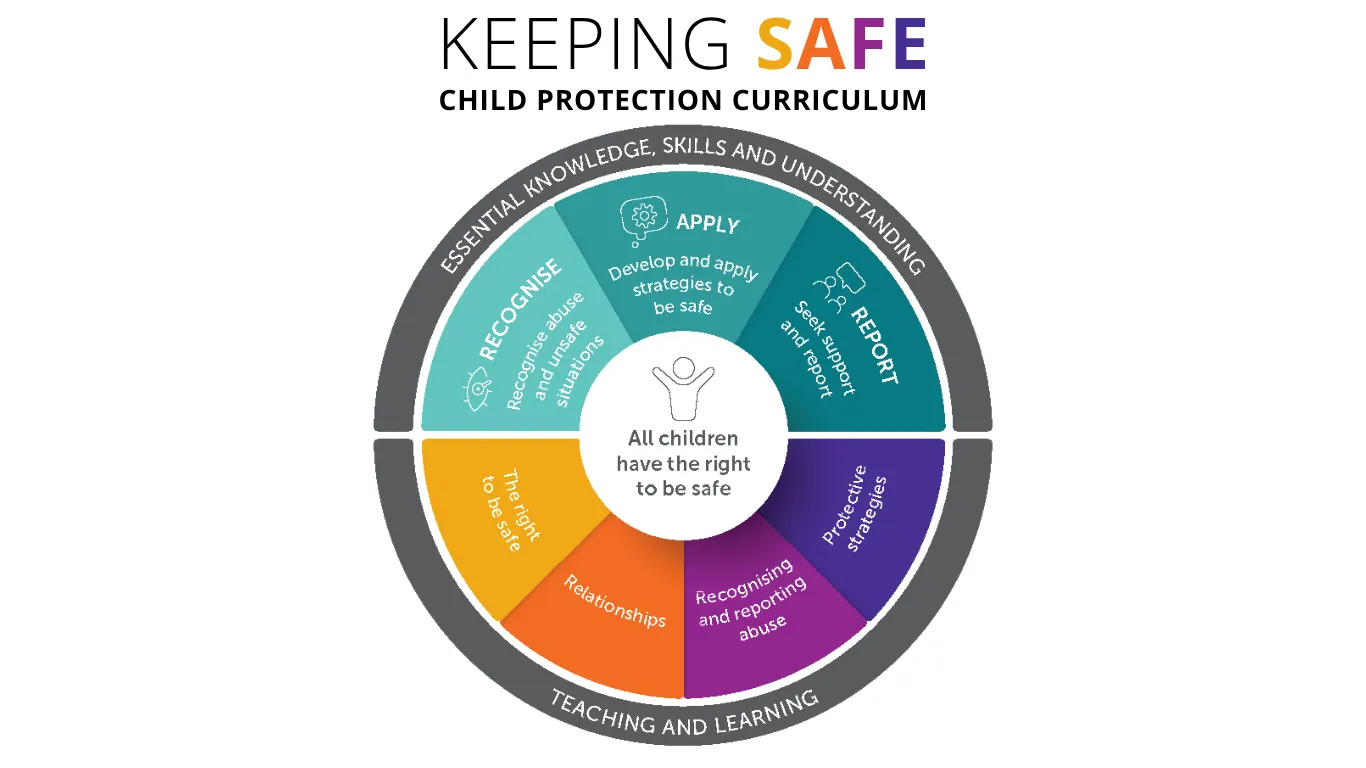
The curriculum operates around the foundational assertion that all children have the right to be safe. It delivers its core learning through two main overarching themes:
- We all have the right to be safe
- We can help ourselves to be safe by talking to people we trust
The course content is sequentially structured across four primary Focus Areas
- Focus Area 1: The right to be safe – Covers privacy, personal space, boundaries, rights and responsibilities, gender expectations, and assessing safe versus unsafe situations through warning signs and risk management.
- Focus Area 2: Relationships – Explores the qualities of trusted networks, strategies for maintaining respectful relationships, understanding consent (including sexual consent for older cohorts), and addressing power dynamics, bullying, and domestic/family violence.
- Focus Area 3: Recognising and reporting abuse – Addresses bodily integrity, anatomical naming of sexual body parts, safe/unsafe/unwanted touch, defining neglect and abuse (physical, emotional, sexual, online), grooming, and reporting mechanisms.
- Focus Area 4: Protective strategies – Teaches actionable problem-solving, assertiveness, persistence (“keep telling until someone listens”), evaluating protective strategies, and maintaining trusted support networks.
Key Student Learning Outcomes
Through this structured delivery, all children and young people are empowered in developmentally appropriate ways to:
- Understand they have the fundamental right to be safe.
- Recognise abuse, grooming, and unsafe situations in both face-to-face and digital environments.
- Apply knowledge, protective skills, and strategic understanding to maintain their safety.
- Seek support persistently for themselves or others when safety is compromised.
Years 7 & 8: Early Secondary Foundations
In Years 7 and 8, managing growing independence, navigating early adolescence, and understanding social and legal boundaries.
Years 9 & 10: Developing Autonomy & Social Responsibility
For Years 9 and 10, content focuses on real-world application, relationship dynamics, and legal responsibilities.
Years 11 & 12: Transition to Adulthood & Independence
In Years 11 and 12, the curriculum focuses on adult-level rights, young adult life scenarios, and community transition.
You Can Sit With Me (YCSWM)
The You Can Sit With Me - Secondary School Program extends a proven inclusion initiative to students in Years 7 through 12, focusing on combating loneliness, school anxiety, and isolation through visible peer support. By designating compassionate student ambassadors who wear YCSWM wristbands, the program signals welcoming contact points across campus. It redefines secondary school leadership around simple, everyday acts of empathy, such as offering a seat or asking a friendly "Are you ok?" while also strengthening transition pathways for incoming students through structured older-buddy support.


10-54 Salonika Street,
The Gardens NT 0820
LMB 13,Darwin NT 0801
P. 08 8982 2222
E. Send Email